Choosing the right food and drink vending machine in 2026 requires more than comparing product photos and listed prices. Global buyers must consider local demand, climate, payment habits, maintenance access, and product safety requirements. A machine selling chilled sandwiches in Singapore faces different conditions from one serving hot coffee in a European railway station. Small details matter, including temperature recovery, shelf size, screen visibility, and cleaning access.
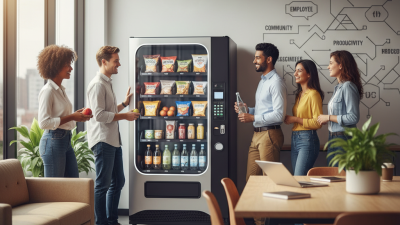
This guide introduces the leading food and drink vending machine types for international buyers. It examines refrigerated machines, hot food units, beverage dispensers, combo models, fresh food kiosks, and smart vending systems. Each type suits different locations, budgets, and operating models. A busy hospital may value reliable meal availability, while an office may prefer compact coffee service and cashless payment. Experience from operators shows that simple machines can sometimes outperform advanced models when technical support is limited.
Look beyond the screen.
Buyers should verify certifications, warranty coverage, spare-part supply, remote monitoring, and regional voltage compatibility before placing an order. Supplier claims also deserve careful checking. A high capacity does not guarantee strong sales, and artificial intelligence cannot fix poor product selection. This overview offers practical guidance based on equipment functions, buyer risks, and real operating conditions. It also recognizes an uncomfortable point: the best machine is not always the newest one. Careful testing, local feedback, and a realistic maintenance plan often produce better long-term results.
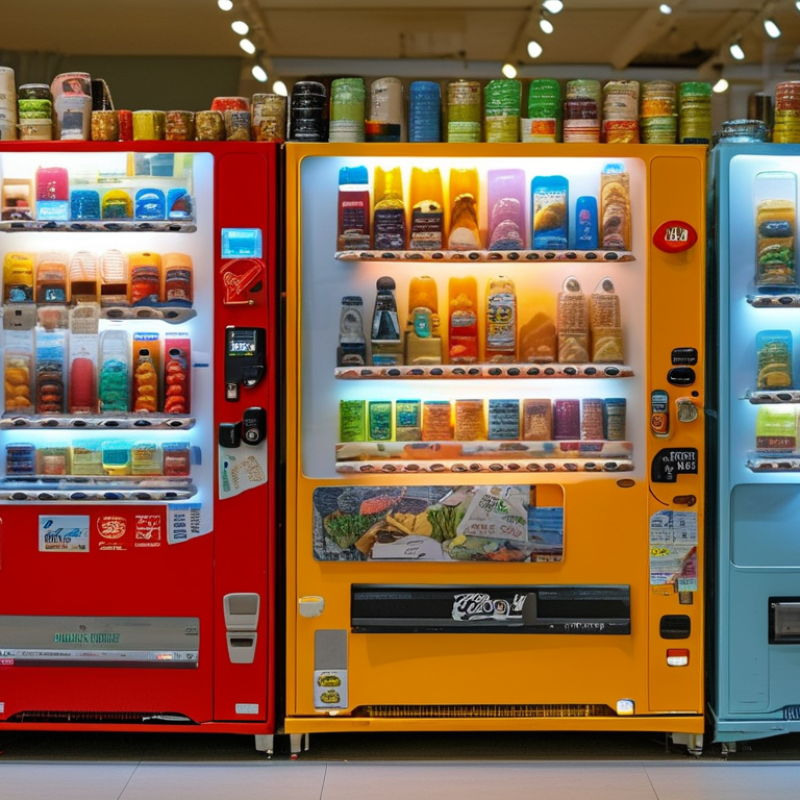
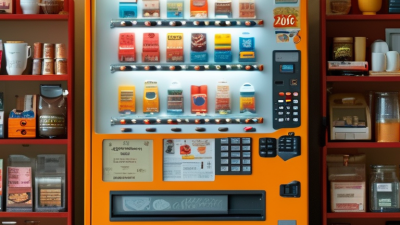
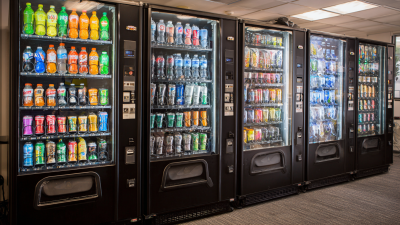
Food and drink vending machines are automated retail units that store, display, and dispense packaged meals, snacks, or beverages. Customers select an item, complete payment, and collect it through a secure delivery compartment. Unlike ordinary shelves, these machines combine inventory control, temperature management, payment processing, and product protection in one cabinet.
Common types include ambient snack machines, chilled beverage machines, refrigerated meal machines, and combination units. Ambient models suit sealed snacks, biscuits, and shelf-stable foods. Refrigerated machines support sandwiches, salads, dairy products, and fresh drinks. Some hot-food units heat prepared meals before collection. Their internal sensors monitor temperature, stock levels, and door activity, although performance depends on regular maintenance.
For global buyers, the machine type should match the local climate, product size, traffic pattern, and service capacity. A refrigerated unit may need stronger insulation in hot regions. A compact machine can work well in offices, but busy transport areas may require faster dispensing and larger storage. Food safety rules, electrical standards, payment systems, and accessibility requirements also need checking before purchase. A clean interface matters, but hygiene matters more.
These machines are useful, not flawless. Fresh products can expire quietly if stock rotation is weak. Sensors may misread damaged packaging. Even a reliable cabinet needs cleaning records, temperature checks, and human supervision. Buyers should ask for test data, service procedures, spare-part availability, and clear warranty terms. The cheapest option can become expensive when failures interrupt daily sales.
| Vending Machine Type | Primary Products | Typical Storage Temperature | Typical Capacity | Recommended Sales Environment | Main Advantages | Key Operating Requirements | Best Fit for Global Buyers |
|---|---|---|---|---|---|---|---|
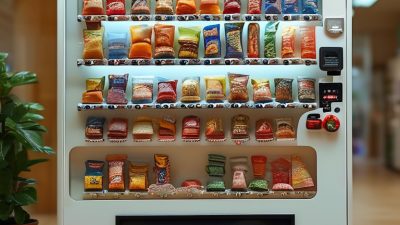
| Ambient Snack Machine | Chips Chocolate Biscuits Nuts Cereal Bars | Usually 15–30°C, depending on the location and product requirements | Approximately 30–60 selections; commonly 150–400 individual items | Offices, schools, transport hubs, hospitals, factories and leisure venues | Simple product handling, broad product compatibility, comparatively low energy use and easy replenishment | Dry and clean installation area; products must remain within their labeled storage conditions; regular stock rotation is required | Markets with strong demand for packaged snacks and locations without refrigeration infrastructure |
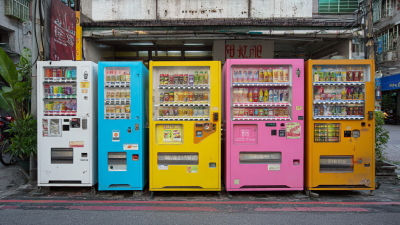
| Cold Beverage Machine | Water Soft Drinks Juice Sports Drinks Milk Drinks | Typically 2–8°C for chilled beverages, subject to local food-safety requirements | Approximately 20–50 selections; commonly 150–500 bottles or cans | Airports, campuses, gyms, shopping areas, workplaces and outdoor public spaces | High-frequency demand, fast transactions, clear product visibility and strong suitability for warm climates | Reliable electricity, condenser ventilation, temperature monitoring and routine cleaning of the dispensing area | High-footfall areas where customers expect chilled drinks throughout the day |
| Combination Food and Beverage Machine | Snacks Cold Drinks Confectionery Packaged Food | Ambient and refrigerated zones in the same cabinet; chilled sections commonly operate at 2–8°C | Approximately 30–60 selections; commonly 180–500 total items | Offices, hotels, residential buildings, hospitals, educational institutions and small retail sites | Offers multiple product categories in one footprint and can reduce installation and site-management costs | Separate temperature zones, careful planogram design, sufficient electrical capacity and frequent restocking | Small and medium-sized sites seeking a broad assortment without installing several machines |
| Refrigerated Fresh Food Machine | Sandwiches Salads Fruit Cups Yogurt Fresh Meals | Commonly 0–5°C for perishable chilled foods, subject to local regulations and product labeling | Approximately 20–50 compartments; commonly 40–150 meals or packages | Hospitals, offices, universities, transport terminals, business parks and 24-hour facilities | Provides convenient meal access, supports healthier product ranges and can serve sites without a full cafeteria | Strict temperature control, short shelf-life management, documented cleaning procedures and frequent replenishment | Markets with demand for ready-to-eat meals and reliable daily delivery or local food production |
| Frozen Food Machine | Ice Cream Frozen Meals Frozen Snacks Frozen Fruit | Usually at or below −18°C for frozen products, according to applicable food-safety rules | Approximately 20–50 selections; commonly 80–250 items | Residential communities, beaches, parks, cinemas, campuses, sports venues and convenience locations | Longer frozen-product shelf life, strong seasonal sales potential and suitability for unattended operation | Continuous power, adequate ventilation, freezer temperature monitoring and procedures for power interruptions | Warm-weather markets, recreational areas and locations with demand for frozen convenience products |
| Hot Food Vending Machine | Pizza Pasta Rice Meals Hot Snacks | Products are usually stored chilled or frozen and heated immediately before dispensing | Approximately 8–24 product selections; commonly 30–100 portions | Factories, hospitals, universities, transport stations, offices and locations with limited food-service hours | Delivers warm meals beyond normal cafeteria hours and can provide a higher-value purchase than snack-only machines | Higher electrical load, heating-system maintenance, food-safety controls, ventilation and regular sanitation | High-traffic sites with limited access to restaurants and demand for meals at different times of day |
| Fresh Produce Vending Machine | Whole Fruit Vegetables Salad Bowls Fresh Juice | Usually 2–8°C for cut or prepared produce; whole produce may require different conditions | Approximately 15–40 selections; commonly 50–180 packages | Hospitals, schools, offices, fitness centers, residential areas and community facilities | Supports healthier purchasing, offers fresh products in underserved areas and provides convenient portion-controlled options | Short shelf-life control, frequent delivery, temperature monitoring, cleaning and careful handling of fragile products | Urban markets with local fresh-food supply and consumers seeking convenient healthy choices |
| Coffee and Hot Beverage Machine | Coffee Tea Hot Chocolate Milk Drinks | Dry ingredients are stored at ambient temperature; prepared beverages are heated during dispensing | Approximately 6–20 drink selections; commonly 100–300 servings per refill cycle | Offices, hotels, hospitals, stations, universities, showrooms and waiting areas | Fast preparation, high repeat-purchase potential, customizable recipes and compact installation options | Potable water supply or refillable tank, regular sanitation, ingredient replenishment and descaling where required | Locations with frequent morning, commuting or workplace beverage demand |
| Bulk Snack and Candy Machine | Nuts Candy Gumballs Small Snacks | Usually ambient temperature; products should be protected from humidity, heat and direct sunlight | Approximately 3–8 product compartments; commonly 10–30 kg of product, depending on design | Family entertainment venues, retail entrances, schools, restaurants and indoor leisure facilities | Compact footprint, low operating complexity, low energy consumption and simple product replenishment | Products must be compatible with the dispensing mechanism; hygiene, allergen information and portion control must be managed | Small sites requiring low-cost, space-efficient vending with simple maintenance |
| Specialty Food Machine | Eggs Bread Local Snacks Prepared Meals Regional Foods | Ambient or refrigerated, depending on the product category and applicable food-safety requirements | Approximately 10–40 selections; capacity varies widely by product size and packaging | Farms, residential areas, tourist destinations, local markets, community centers and rural locations | Enables direct-to-consumer sales, supports regional products and can operate where conventional retail is limited | Product-specific temperature control, local labeling compliance, secure packaging and dependable replenishment schedules | Buyers serving local producers, tourism markets or communities with specialized food preferences |
| Smart Locker Food Machine | Pre-Ordered Meals Meal Boxes Grocery Packs Catering Orders | Ambient, chilled or frozen compartments can be combined; chilled storage commonly operates at 2–8°C | Approximately 12–60 individual lockers, depending on cabinet size and configuration | Apartment buildings, offices, campuses, hospitals, transport hubs and pickup points | Supports larger packages, scheduled pickup, digital ordering and reduced contact during collection | Accurate order management, compartment temperature monitoring, secure access control and regular cleaning | Markets with established online ordering, meal-preparation services or organized local delivery networks |