Best Drink Vending Machine Options for Global Buyers?
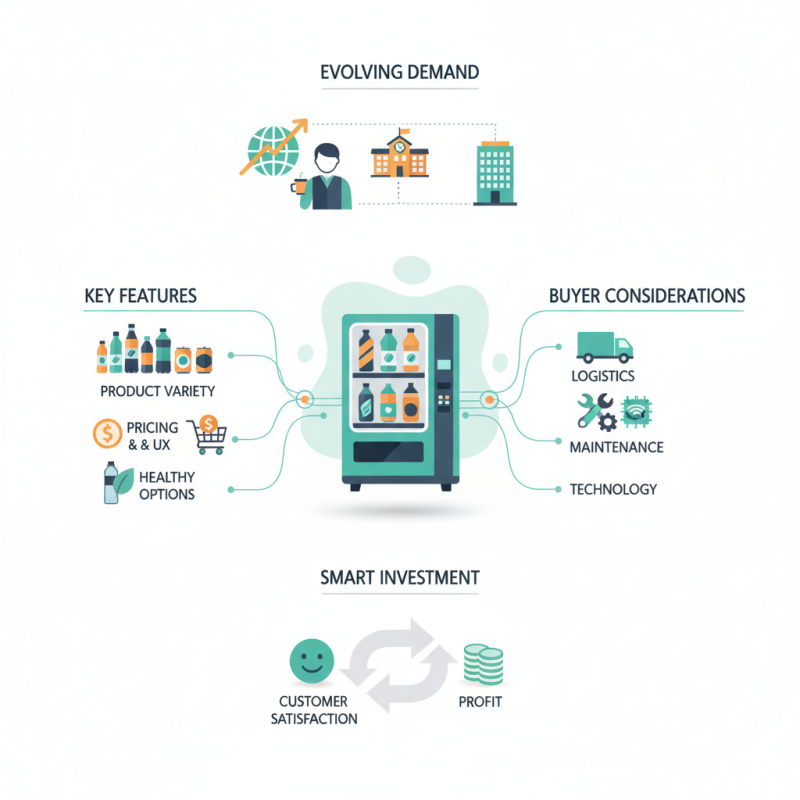
As the demand for convenience grows, the drink vending machine industry is evolving. These machines can be found in various locations, from schools to corporate offices. Buyers seek reliable and appealing options that cater to diverse tastes.
Exploring the best drink vending machine choices can help meet global demands. Features such as product variety, pricing, and user experience significantly impact purchasing decisions. Machines that offer healthy beverages are gaining popularity, reflecting a shift in consumer preferences.
However, selecting the right machine isn't always straightforward. Logistics, maintenance, and technology integration play crucial roles. Potential buyers must assess their specific needs to ensure the machine aligns with their environment. Understanding these factors can lead to better investment choices and customer satisfaction.
Top Features to Consider in Drink Vending Machines
When considering drink vending machines, several features stand out. Space optimization is crucial. A compact design can fit various locations, from offices to schools. Machines should ideally have adjustable shelves. This allows for a variety of bottle sizes and can cater to specific consumer needs. According to a report by IBISWorld, the global vending machine market is projected to reach $25 billion by 2025. Demand for versatile machines is on the rise, pushing manufacturers to innovate.
Another important consideration is payment options. Modern machines should accept multiple payment methods. Cash, credit cards, and mobile payment solutions are essential. A 2022 survey revealed that 60% of consumers prefer cashless transactions. Flexibility in payment can significantly enhance user experience. Still, incorporating too many options can complicate the user interface. This balance must be carefully managed to avoid customer confusion.
Moreover, energy efficiency is becoming a priority. Consumers are increasingly aware of sustainability. Machines that consume less energy while maintaining performance may attract eco-conscious buyers. According to the Energy Information Administration, energy-efficient appliances can reduce energy consumption by 10-30%. However, switching to more energy-efficient models might require an upfront investment. This shift can be challenging for some vendors.
Popular Types of Beverages Offered in Vending Machines
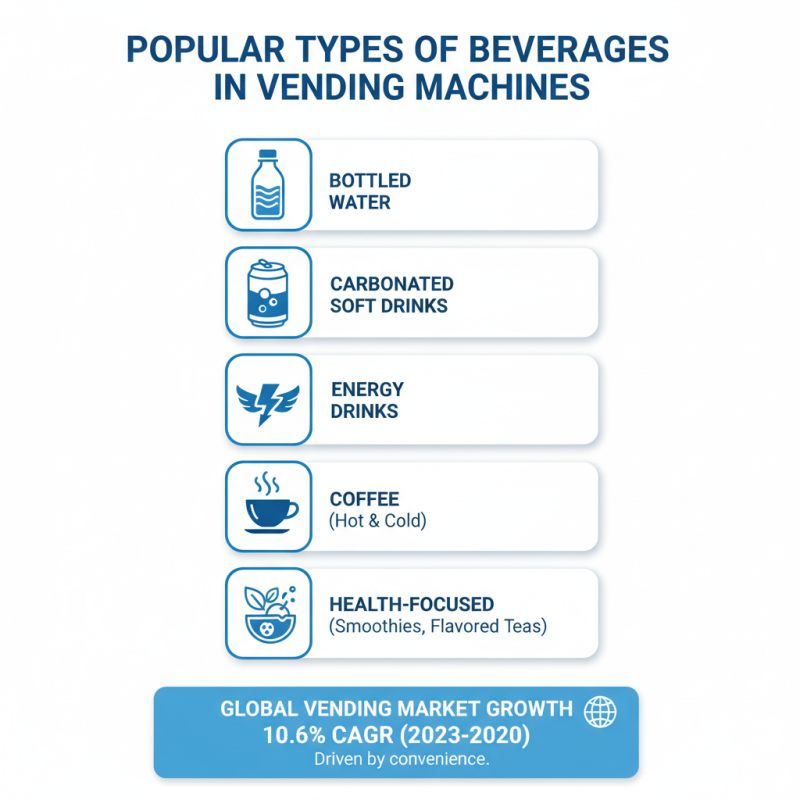
Beverage vending machines have evolved significantly, catering to diverse consumer preferences worldwide. Popular options include bottled water, carbonated soft drinks, energy drinks, coffee, and health-focused beverages like smoothies and flavored teas. According to industry reports, the global vending machine market is expected to grow at a CAGR of 10.6%, driven by an increasing demand for convenient refreshment options.
When selecting a vending machine, consider the beverage variety. Machines offering a mix of healthy and traditional drinks often attract a larger consumer base. Data indicates that 33% of consumers prefer beverages perceived as healthy. Additionally, newer organic and low-sugar options are gaining traction, appealing to health-conscious individuals.
Tips: Always analyze local demographics. Understanding the preferences of your target market can lead to better sales. Keep track of which drinks sell best. Adjust your offerings frequently to optimize inventory. Regularly clean the machine to ensure quality. Outdated or damaged options can deter customers.
Cost Analysis of Drink Vending Machines for Global Buyers
When considering the cost analysis of drink vending machines, several factors emerge. The initial purchase price can range from $3,000 to $7,000 depending on features. Features may include touch screens, cashless payment options, and energy efficiency. Understanding the total cost of ownership is vital. Maintenance expenses can add up to $500 per year, impacting profit margins.
Energy consumption is another crucial element. Reports indicate that modern vending machines use about 3-5 kWh per day. This means that over a year, energy costs can be significant. An upward trend in energy prices can affect profitability, making it essential to choose machines with energy-saving features.
Additionally, inventory costs play a role. Popular beverages often have fluctuating wholesale prices. Proper inventory management can prevent wastage and ensure product freshness. Yet, a disconnect between supply and demand can lead to higher costs. It's critical to analyze regional preferences. This way, businesses can optimize their offerings and minimize losses.
Future Trends in Vending Machine Technology and Offerings
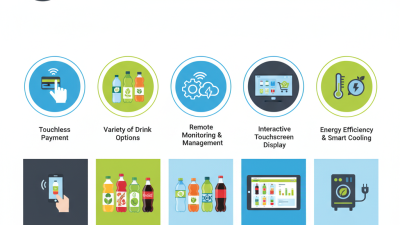
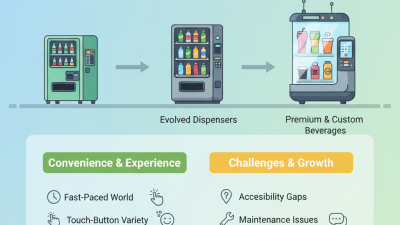
The vending machine industry is evolving rapidly, particularly in drink offerings. Machines are embracing technology to enhance user experience. Touchless systems are becoming more common, driven by rising hygiene concerns. These advancements suggest a shift towards a more interactive and efficient purchasing process.
Smart vending machines are now equipped with AI. They analyze consumer behavior and can suggest beverages based on past purchases. This personalized approach could transform vending into a tailored experience. Users might find themselves discovering new and healthier drink options more easily.
Tips: Ensure your machines are placed in high-traffic areas to maximize visibility. Keep the inventory fresh and diverse. Explore eco-friendly packaging as sustainability is a growing concern among consumers. Reflect on the importance of regular maintenance; a well-stocked, clean machine can greatly influence user satisfaction.