How to Choose the Best Vending Machine Location?
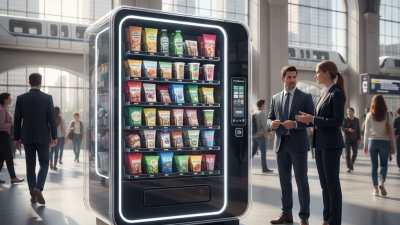
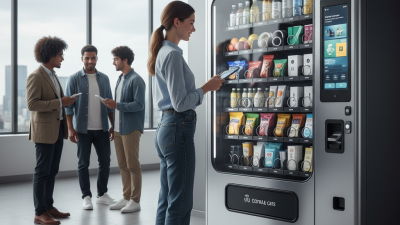
Choosing the best vending machine location requires more than spotting a busy hallway. A strong site connects customer demand, product fit, safety, and daily convenience. The right vending machine location should serve people who already need quick refreshments, snacks, or essential items. A crowded entrance may look attractive, yet visitors might move too quickly to stop. A quieter employee break area may produce steadier sales throughout the week.
Real-world observation matters. Visit the site during morning, lunch, evening, and weekend periods. Count passersby, note waiting times, and watch where people naturally pause. Check lighting, cleanliness, power access, weather exposure, and visibility from several directions. Foot traffic matters. So does dwell time.
Experienced operators also review sales records from similar venues. Those records can reveal seasonal patterns, slow hours, and popular product categories. Local property managers can explain access rules, cleaning routines, and customer concerns. Their knowledge may prevent costly assumptions. Written permission and clear placement terms should be secured before installation. Reliable planning protects both the operator and the host business.
No location is perfect. I have seen promising sites underperform because the machine stood behind a column or lacked regular service. A small trial can expose these weaknesses before a larger investment. Track sales, refill frequency, product waste, customer feedback, and machine downtime. Then adjust carefully. The best choice is rarely based on traffic alone. It reflects observed behavior, responsible maintenance, honest testing, and a realistic understanding of the people using the space.
Define Target Customers with NAMA’s 2022 Vending Industry Census Data
Choosing the best vending machine location starts with defining the customer, not counting foot traffic. NAMA’s 2022 Vending Industry Census estimated U.S. vending and micro-market sales at approximately $26.6 billion in 2021, rising sharply from pandemic-era levels. That growth signals demand, but it does not make every busy site profitable.
Use the census to compare customer environments. Workplace employees may want coffee, quick breakfasts, and healthier afternoon snacks. Manufacturing staff often need durable, filling products during fixed breaks. Hospitals and schools require careful product selection, reliable service, and clear nutrition information. Residential buildings may favor evening availability and simple household essentials. The customer’s schedule matters more than raw visitor numbers.
The U.S. Bureau of Labor Statistics reported average household spending of $3,639 on food away from home in 2022. This supports convenience purchasing, but spending power varies by neighborhood. Review local wages, shift patterns, nearby stores, and waiting times before installing equipment. A machine beside a quiet staff entrance may outperform one near a crowded lobby. Test a location for four to six weeks, then compare sales by hour and product type. I would not trust a single busy-day result. Weather, payroll timing, and temporary events can distort the picture. Keep a record, question weak assumptions, and adjust the product mix carefully.
Measure Qualified Foot Traffic, Dwell Time, and Peak Demand by Location
How to Choose the Best Vending Machine Location?
A strong vending location is not simply the busiest corner. Measure qualified foot traffic: people who can see, reach, and reasonably use the machine. A commuter corridor may record 1,000 passersby, yet most hurry toward trains. A staffed office lobby may attract fewer people but generate more purchases. During site visits, count traffic in 15-minute intervals during morning, lunch, afternoon, and evening periods. Record direction, access, visibility, and likely customer needs. Do not count every moving body.
Dwell time often reveals stronger demand than raw traffic. People waiting near elevators, reception desks, study areas, or transport platforms have more time to notice and purchase. Watch how long people remain within several meters of the proposed location. A three-minute wait can create better selling conditions than a ten-second walkway. However, queues can shift, and temporary events may distort the results. Numbers can mislead.
Peak demand should guide product quantity and restocking schedules. Compare weekdays with weekends, then identify repeated patterns rather than isolated spikes. I would not trust a single busy Friday. A seven-to-fourteen-day observation period provides a more reliable baseline. Test visibility with a temporary sign or empty display, while respecting property rules and pedestrian access. One practical mistake is choosing a location based on personal intuition. Review the evidence, question weak assumptions, and accept that the first placement may need adjustment.
Compare Sales Potential with NAMA’s Average Revenue-per-Machine Benchmark
How to Choose the Best Vending Machine Location?
A promising location should be measured against NAMA’s average revenue-per-machine benchmark. Use the current benchmark as a reference, not a guaranteed result. A machine near a busy factory entrance may attract hundreds of people daily, yet sales can remain weak. Workers might bring meals from home or leave during breaks.
Track the site for at least four weeks before making a decision. Record foot traffic, purchase times, product preferences, and weekday differences. A glass office lobby feels professional, but a staff room may produce steadier sales. Watch the details:
Is the machine visible from the elevator? Can customers stop without blocking a doorway? Does the location stay open during evenings and weekends?
Compare expected monthly sales with the NAMA average revenue-per-machine figure. Then subtract rent, product costs, card-processing fees, maintenance, and spoilage. The result matters more than gross sales. Some sites look perfect.
My first location estimate once relied too heavily on foot traffic. I ignored a short lunch period and limited parking. Sales fell below the benchmark. That mistake taught me to ask practical questions directly. Who buys here? When do they buy? What price feels reasonable? A small test placement can reveal more than a confident forecast. Recheck the numbers after seasonal changes, staff turnover, and nearby construction.
Verify Power, Security, Accessibility, and Health-Code Requirements
How to Choose the Best Vending Machine Location?
Verify Power, Security, Accessibility, and Health-Code Requirements
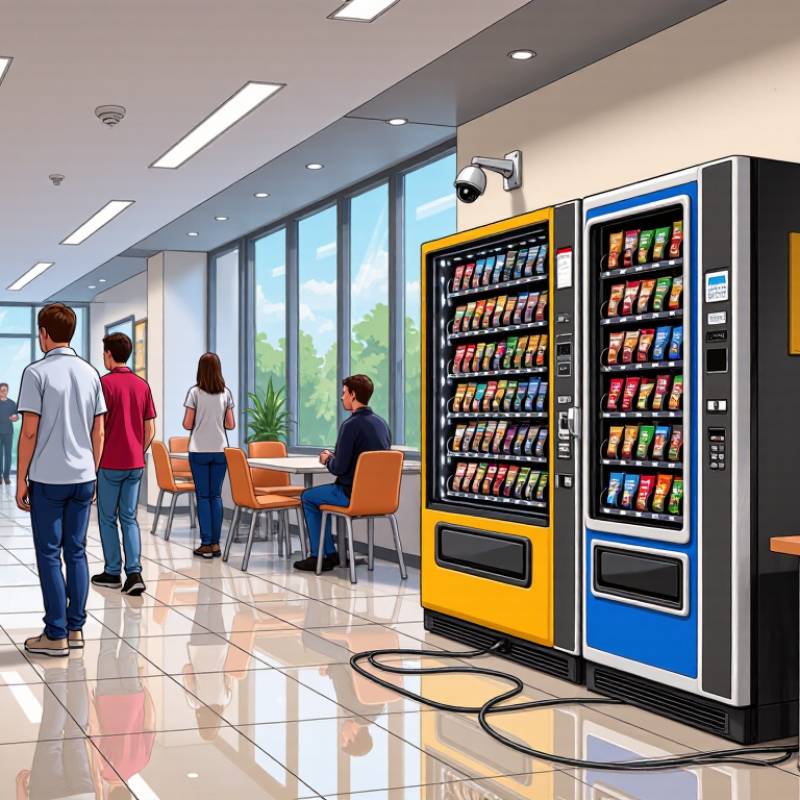
A profitable location begins with practical checks, not foot traffic alone. A busy hallway is useless if the machine cannot reach a safe power outlet. Confirm voltage, outlet distance, and circuit capacity with the property manager. Avoid loose extension cords across walking paths. They create trip hazards and may violate building rules. Ask whether electricity costs are included in your agreement. This detail is easy to miss.
Security deserves equal attention. Choose a visible area with lighting, cameras, and regular staff activity. A machine hidden behind a stairwell may attract damage or theft. Check whether doors lock after business hours. Accessibility matters too. Customers should approach the machine without blocked paths, steep obstacles, or cramped turning space. Measure the clear floor area before delivery. I once assumed a wide entrance was enough, but a tight corner stopped the installation.
Tips: Visit the site during morning, lunch, and evening hours. Test mobile reception near the proposed position. Keep the machine away from leaking pipes, direct sunlight, and heat sources. Ask for written approval from the property owner. Confirm local health-code requirements for food storage, temperature control, cleaning, and waste collection. Requirements can differ between cities, and online advice may be incomplete. Build a simple inspection checklist, then review it with the relevant local authority. It may feel slow. It can prevent expensive changes later.
How to Choose the Best Vending Machine Location?
A practical screening benchmark for evaluating power, security, accessibility, and health-code readiness before installing a vending machine.
The percentages represent recommended planning priorities, not legal requirements. Confirm electrical capacity, surveillance and lighting, accessible routes and clearances, food-safety rules, permits, and inspection requirements with the property owner and local authorities.
Calculate ROI from Sales, Commission, Restocking, and Operating Costs
A profitable vending location is not simply the busiest hallway. It is a repeat-purchase environment with predictable traffic, limited nearby options, and safe machine access. NAMA’s 2023 Convenience Services Census estimated U.S. vending sales at approximately $18.5 billion in 2022. That figure shows scale, not guaranteed profit. A quiet factory entrance may outperform a crowded lobby if workers pass it daily.
Calculate monthly ROI with real operating numbers.
Use this formula: ROI = (sales revenue − product cost − location commission − restocking labor − payment fees − electricity − repairs) ÷ total investment.
For example, $4,800 in monthly sales may produce $1,680 in gross margin after product costs. Subtract a 15% location commission, $420 for labor, $90 for electricity, and $140 for repairs and fees. The remaining $310 should be compared with the machine, installation, and inventory investment.
Track sales by hour, product category, and payment method for at least eight weeks. The NAMA report also identifies cashless payment acceptance as a major vending industry trend, but transaction fees can quietly reduce returns. Restocking routes matter too. One extra weekly visit can erase a small location’s profit.
My estimate may still be wrong; traffic changes, product waste, and seasonal demand are difficult to predict. Recalculate after the first month, then challenge every assumption.