How to Start a Successful Vending Business Today?
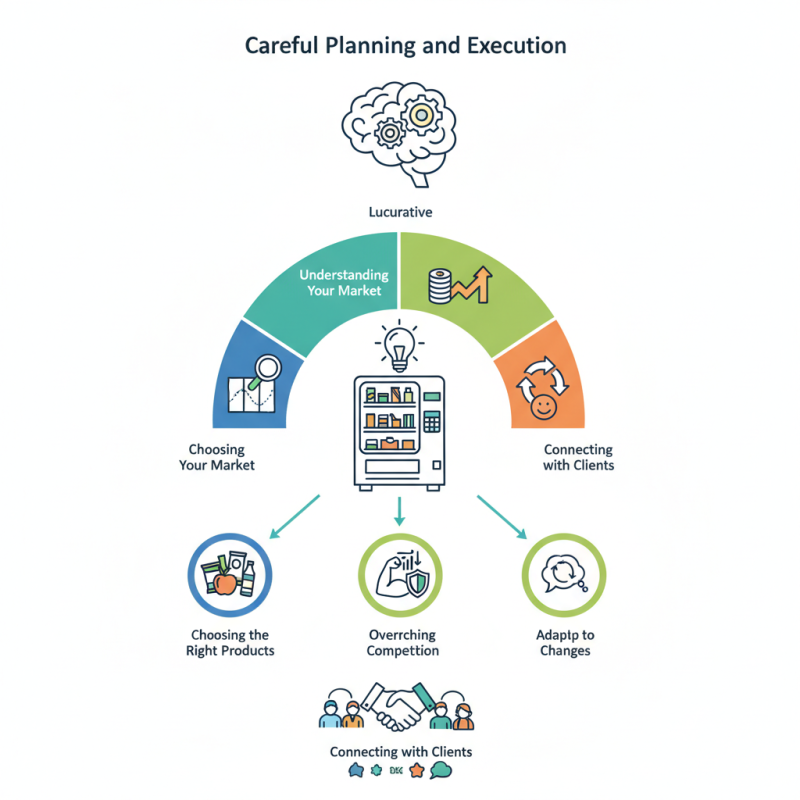
Starting a successful vending business requires careful planning and execution. According to industry expert Mark Johnson, “Understanding your market is key to thriving in the vending business.” This insight sets the foundation for every aspiring entrepreneur.
A vending business can be lucrative, but potential challenges exist. You must research the locations that need your services. Choosing the right products is also crucial. Snacks and beverages are popular, but consider healthier options too.
Many beginners overlook competition. It’s essential to analyze what others offer. Reflecting on your strategies often leads to better decisions. Adapting to changes in consumer preferences is vital for success. A vending business isn't just about machines; it's about connecting with your clients.
Choosing the Right Vending Machine Type for Your Business
Choosing the right vending machine type for your business is crucial. Different types cater to various needs. Consider your target market and location. A machine for snacks might work in a school. But, drinks are better suited for gyms.
Think about the size and style as well. Compact machines save space but may offer fewer options. Large machines provide more variety but require more maintenance. Location is key. High-traffic areas mean higher sales, but they also increase competition. It’s important to analyze foot traffic patterns. You might find that weekends are slower than weekdays, affecting which products could sell best.
Lastly, reflect on your initial investment. Some machines are inexpensive but may not yield high returns. Others are pricier yet offer better profitability. Don’t rush this decision. Research is essential, and trial and error can lead to valuable insights. Keep an open mind about feedback and be ready to adapt your offerings.
Vending Machine Types Popularity
This chart represents the popularity of different types of vending machines based on market research. The data reflects the percentage of total vending machine sales attributed to each type in the year 2023.
Researching Profitable Locations for Your Vending Machines
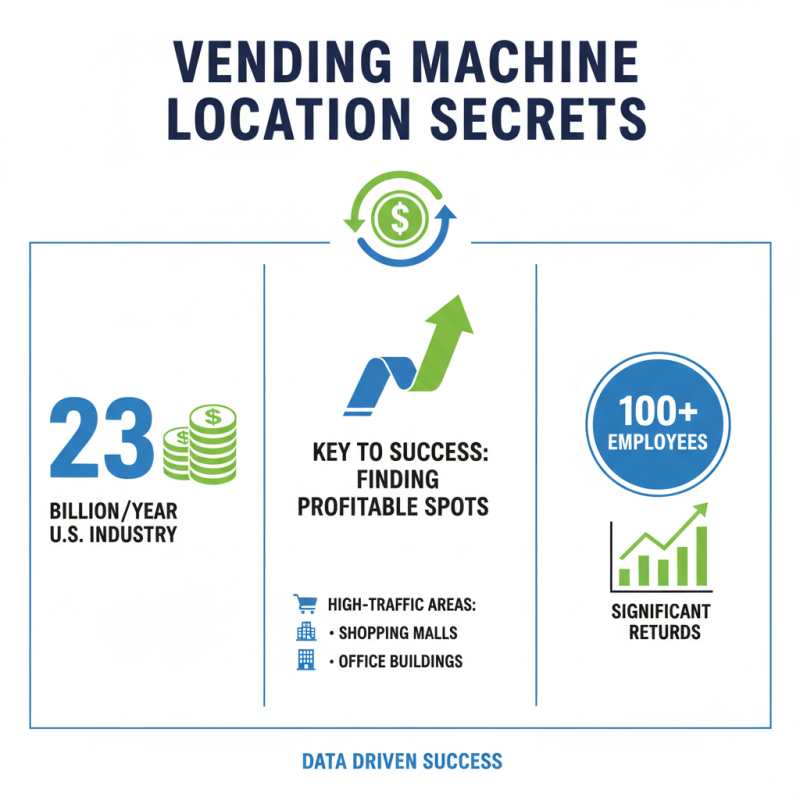
Finding the right locations for vending machines is crucial for success. The vending machine industry generates around $23 billion each year, making it a lucrative market. However, identifying profitable spots can be challenging. High foot traffic areas, such as shopping malls and office buildings, often yield better results. Data indicates that locations with at least 100 employees can provide significant returns.
Consider niche markets as well. Some studies show that schools and health clubs see increased demand for healthy snacks. Placing machines in these areas could lead to higher sales. But beware of challenges. Competition can be fierce, and not every location guarantees success. It’s essential to analyze potential sites thoroughly. Gathering data on customer demographics and peak hours can help refine your strategy.
Ultimately, research plays a pivotal role. Many entrepreneurs overlook the importance of location. They may choose areas based on intuition rather than data. This can lead to underperforming machines and lost revenue. Always revisit your location strategy as trends change, and consumer preferences evolve. Being adaptable is key to thriving in this competitive industry.
Understanding Inventory Management and Stocking Products
Efficient inventory management is crucial for a vending business. Start by analyzing customer preferences. Knowing what products are popular helps in making informed choices. Conduct surveys or observe sales patterns. Also, consider the location of your machines. High-traffic areas often require different items than quieter spots.
Regularly restocking is essential. It prevents stockouts and ensures customer satisfaction. An empty vending machine can frustrate potential buyers. Use a spreadsheet or an app to track inventory levels. Set reminders for restocking days. However, it's easy to overestimate demand. Be prepared to adjust based on actual sales data.
Keep an eye on expiration dates, especially for perishable items. Regular checks can reduce waste and losses. Also, don’t be afraid to try new products. Sometimes, experiments with different snacks or drinks can lead to surprising outcomes. Yet, not every change will be a hit. Analyze feedback and adapt your strategy continuously to keep up with market trends.
Establishing Relationships with Suppliers and Distributors
Establishing relationships with suppliers and distributors is crucial for a successful vending business. Start by identifying local suppliers who can provide quality products at competitive prices. Research potential partners and reach out to them for initial discussions. Building trust takes time, but it’s essential for long-term success. Don’t hesitate to visit suppliers in person; face-to-face meetings can strengthen these connections.
Frequent communication is key to maintaining strong relationships. Regularly check in with your suppliers to understand their inventory levels and any new products available. Attend industry trade shows or local events to network and make connections. Remember, a good supplier relationship may lead to better deals and exclusive products. Mistakes will happen; maybe your initial supplier isn’t a good fit. Learn from these experiences and refine your approach. Once you have reliable partners, your vending business can thrive.
Marketing Your Vending Business for Maximum Visibility
Marketing your vending business effectively can make a huge difference. Visibility is crucial for attracting customers. Here are some tips to help you stand out.
Promote your vending machines on social media. Use platforms like Instagram and Facebook. Share eye-catching photos of your products. Engage your audience with fun polls or giveaways. Simple posts can increase interest. Customers love a chance to win something.
Consider strategic placements. Locations can affect sales significantly. Think about high-traffic areas like offices or schools. Visibility matters. A machine tucked away will struggle to attract attention. Regularly visit your machines to ensure they are clean and fully stocked. A neglected machine can tarnish your brand.
Networking plays a key role too. Connect with local businesses for partnerships. Offering employee discounts can drive sales. Attend community events to showcase your products. Conversations with potential customers can provide valuable feedback. Sometimes, simple changes can yield better results. All these efforts will help in enhancing your market visibility.