How to Choose the Best Vending Machine Location?

Choosing the right vending machine location is less about guessing and more about observing real behavior.

The U.S. National Automatic Merchandising Association’s 2023 State of the Industry Report estimated the convenience services sector at approximately $26.6 billion. Vending remains an important part of that market. Grand View Research also valued the global vending machine market at about $21.8 billion in 2023. These figures suggest opportunity, but they do not guarantee sales at every busy address.

As vending consultant and author Jason P. McCarthy says, “A machine succeeds where convenience meets repeated daily traffic.” That principle deserves careful testing. A crowded railway station may provide visibility, yet rent, security, and competition can weaken the return. A quiet factory hallway may look ordinary, but predictable shift changes can create stronger demand.

Look closely.

A practical vending machine location should offer more than passing foot traffic. It should provide safe access, clear visibility, suitable electrical service, and enough waiting time for customers to make a purchase. Nearby food options, employee schedules, weather exposure, and payment preferences also matter.

Industry reports provide useful direction, but local evidence remains essential. Count pedestrians during different hours. Ask property managers about existing agreements. Study which products people already carry. My first assumption may be wrong, especially when a visually attractive site has little repeat traffic.

This guide explains how to compare locations, estimate demand, control operating risks, and choose a site that can support dependable long-term performance.
How to Choose the Best Vending Machine Location?

Define the Key Factors of a Profitable Vending Machine Location

How to Choose the Best Vending Machine Location?

A profitable vending machine location begins with people, not empty floor space. Count visitors during morning, lunch, and evening periods. A busy entrance can still perform poorly if people rush past it. Dwell time matters more than traffic alone. Offices, schools, hospitals, transport areas, and residential buildings often provide repeated demand. However, each audience wants different products and price points.

Visibility is essential. Place the machine near natural waiting areas, such as elevators, reception desks, break rooms, or seating zones. Customers should see it without searching. Good lighting and a clean surrounding area also build trust. Confirm reliable electricity, stable flooring, safe access, and permission from the property manager. A written agreement should clarify rent, maintenance access, operating hours, and responsibility for damage.

My first location estimate was too optimistic. I counted everyone entering, but ignored how many carried food from home. That mistake reduced sales. Test demand before committing long term. Speak with staff, observe purchasing habits, and record sales by hour. Nearby food options may reduce demand, while limited convenience can create opportunity. Review machine performance weekly, not just monthly. Adjust inventory carefully, because popular items may change with weather, schedules, or local events. A quiet corner may seem affordable, yet weak visibility can cost more than higher rent.

Sometimes the cheaper location is the expensive mistake.

Assess Customer Traffic, Visibility, and Accessibility

Choosing a vending machine location starts with observing people, not empty floor space. During site checks, count passersby during breakfast, lunch, and evening peaks. A single busy hour can mislead you. Record traffic across several weekdays and one weekend. Note who stops, where they wait, and what they carry. Office workers may want quick drinks, while families may prefer snacks and smaller portions. Keep a simple log. It makes assumptions visible.

Visibility affects whether customers remember the machine when they need it. Place it near natural sightlines, such as an entrance, elevator lobby, or seating area. Avoid corners hidden by displays, doors, or tall furniture. Check lighting at night, especially in parking areas and transit buildings. The screen, product labels, and payment instructions should be readable from a short distance. I once approved a visible location that became blocked by a temporary sign. That mistake taught me to inspect the space after setup, not only before it.

Accessibility must support different users, including people with mobility, vision, or reach limitations. Leave a clear approach, maintain stable flooring, and avoid placing the machine beside crowded queues. Confirm that the property manager permits vending, electrical use, customer access, and routine servicing. Ask about cleaning schedules and emergency routes. Measure actual dwell time, not just foot traffic. A corridor may look promising, yet people may rush through it. Recheck the location after two weeks. Sales can reveal patterns, but low sales may reflect poor visibility, pricing, or product fit. Do not blame traffic too quickly.

How to Choose the Best Vending Machine Location?

Assess customer traffic, visibility, and accessibility before selecting a site.

The chart compares four common location types using a standardized 0–100 assessment score. Customer traffic is based on average daily pedestrian volume, while visibility and accessibility consider how easily customers can notice, approach, and use the machine. Locations with strong performance across all three dimensions generally offer better vending machine potential.

Match Machine Products to the Location’s Audience

How to Choose the Best Vending Machine Location?

Match Machine Products to the Location’s Audience

A vending machine succeeds when its products fit the people nearby. Study the location before choosing the product mix. An office lobby may need fresh coffee, bottled water, and quick breakfast items. A gym may favor water, electrolyte drinks, and lower-sugar snacks. A hospital waiting area requires simple foods, clear ingredient labels, and caffeine-free choices.

Watch the location at different times. A school corridor changes sharply between morning, lunch, and afternoon. Count visitors, notice their waiting time, and ask facility staff about common requests. Product decisions should reflect evidence, not guesses. Keep allergens clearly identified, and follow local food safety requirements. Temperature-sensitive products also need reliable storage and regular checks.

I once assumed a busy transport area needed large snack packs. Sales showed otherwise. Travelers preferred small portions that fit inside a bag. That mistake taught me to test products in limited quantities first. Track sales by hour for several weeks. Remove slow items, but do not react to one quiet day. Weather, holidays, and nearby events can distort results. Also consider machine access. Children, older adults, and people with disabilities may need reachable controls and readable pricing. A useful product mix can still fail if customers cannot use the machine comfortably.

Review Costs, Competition, Safety, and Operating Requirements

How to Choose the Best Vending Machine Location?

A busy site is not automatically a profitable site. Review monthly rent, revenue-sharing fees, electricity, payment processing, insurance, restocking labor, and repair costs. Ask for a written agreement. Confirm who pays for damage, relocation, and unexpected maintenance. A low-cost location may still lose money if products expire before selling.

Study the competition within walking distance. Count nearby machines, stores, cafés, and employee kitchens during different hours. Compare their prices, product variety, cleanliness, and queues. A machine near a crowded entrance may perform well, but only if customers have time to stop. I once underestimated a quiet hallway because it looked unpromising. Evening sales proved me wrong. Foot traffic needs context.

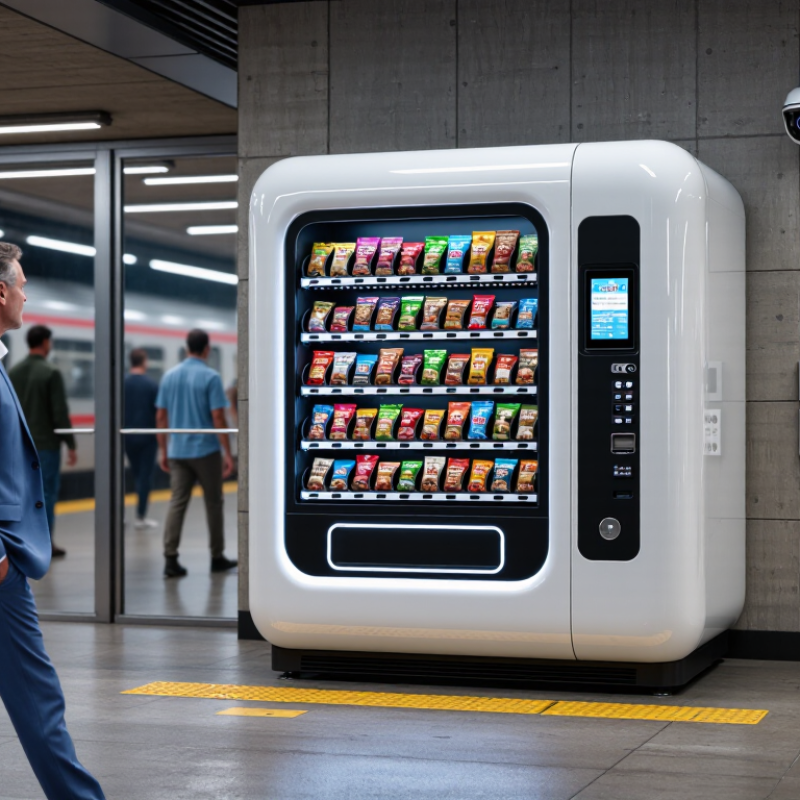
Safety and operations deserve equal attention. Choose a bright, visible area with stable flooring and enough space for customer movement. Check whether security staff, cameras, or controlled access protect the equipment. Confirm power capacity, mobile connectivity, delivery access, waste disposal, and opening hours. Ask who handles spills and emergency access. Weather exposure can damage equipment quickly. I have also learned that a convenient delivery route matters more than expected. Still, estimates can fail when seasonal traffic changes. Track sales, service calls, and product waste for several weeks before committing long term.

Compare Potential Sites and Select the Best Location

Choosing a vending machine location requires comparing real site behavior, not trusting a busy-looking entrance. Track pedestrian flow during breakfast, lunch, and late afternoon. Count people for 15-minute periods, then repeat on different weekdays. Record nearby food options, waiting times, lighting, security, and access to power. A quiet corridor may outperform a crowded lobby if people pause there.

Use a simple scorecard for each potential site. Give traffic, dwell time, visibility, product fit, operating access, and expected sales separate scores. The National Automatic Merchandising Association’s 2023 Industry Census reported strong demand across convenience services, but demand differs sharply by setting. Offices, hospitals, factories, campuses, and transport facilities require different product mixes. Do not assume one successful location can be copied elsewhere.

Payment behavior also matters. The 2024 Micropayment Trends Report found that cashless payments represented about 71% of vending transactions, with cashless purchases averaging more than cash purchases. Therefore, compare sites by payment readiness, not traffic alone. A location with weak mobile reception or limited payment access may lose impulse sales. My first model once favored a high-traffic entrance, but customers moved too quickly to stop. I would now test a smaller machine near seating for two weeks, measuring transactions, peak hours, stockouts, and refill difficulty. The evidence may challenge the initial ranking. Good decisions often begin with admitting the spreadsheet is incomplete.