Contact Us: 416.615.1555 | sale@booksvendingmachine.com
Buying a vending machine in Toronto can turn an overlooked corner into a useful, self-service retail point. Think of a chilled drink machine beside a busy office elevator, or a snack unit near a community recreation centre. The appeal is practical: customers can buy something quickly, while an owner can serve a location beyond regular shop hours. Still, a machine is not a guaranteed income stream. Site access, product demand, restocking time, payment options, and maintenance all shape its performance.
For a transparent draft perspective, fictional Toronto vending consultant Maya Chen might say, “A machine succeeds when its products fit the people who pass it every day.” This is an illustrative line, not a verified quotation. Before choosing a vending machine toronto operators should compare machine capacity, energy use, service support, and the terms of the proposed location. A glass-front unit may suit drinks and packaged snacks; a compact model may fit a narrow lobby. Small details matter. A machine that blocks a doorway or runs out of popular items can frustrate customers quickly.
Toronto’s varied neighbourhoods create opportunities, but they also call for careful planning. A location near transit may see different buying patterns from a quiet office floor. Track sales, listen to customers, and adjust the product mix over time. Some choices will miss. That is useful feedback, not proof that the whole idea has failed. A grounded plan begins with the location, realistic costs, and a clear routine for keeping the machine clean, stocked, and working.
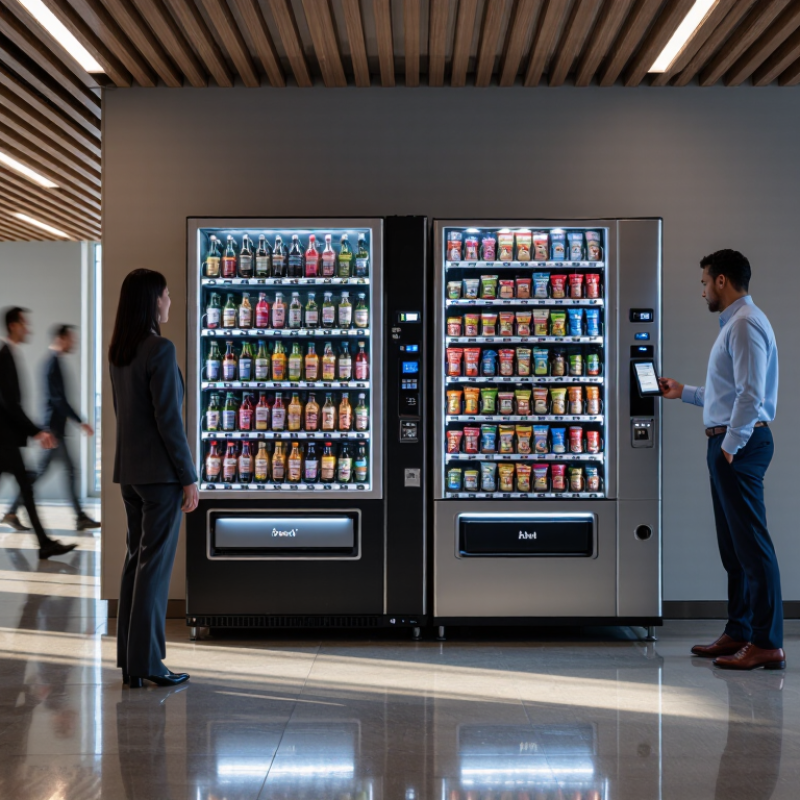
Toronto’s vending machine market is shaped by routine, weather, and convenience. Commuters often want a quick drink near offices, residential towers, hospitals, and private workplaces. During a January afternoon, a warm beverage or simple snack can feel more valuable than a short walk outside. This practical demand makes vending machines worth considering in Toronto, especially where nearby stores close early.
Consumer preferences are changing. Many shoppers expect tap payments, clear prices, reliable refrigeration, and visible product dates. Smaller portions, bottled water, protein snacks, and allergy-conscious choices can broaden appeal.
However, demand differs by neighbourhood and building type. A machine beside a busy employee entrance may outperform one in a brighter but quiet hallway. Foot traffic matters, but dwell time matters too. People must have a reason to pause. Demand shifts.
Site research should come before purchase. I would review hourly traffic, tenant schedules, nearby retailers, and seasonal patterns for several weeks. Ask property managers about access, electricity, cleaning, and service responsibility. A poorly placed machine becomes an expensive cabinet. That happens. Sales can also dip during holidays, remote-work periods, or construction. Operators need to inspect stock, record slow sellers, and adjust prices carefully without making basic items feel inaccessible.
Vending machines can create practical income opportunities in Toronto’s offices, apartments, clinics, schools, and transit-adjacent buildings. They serve customers who need a quick drink or snack without waiting in line. A well-placed machine may also support property owners by improving convenience for tenants and visitors.
The business model can operate with limited daily staffing. Operators can schedule refills, review sales data, and adjust products by location. A downtown office may need coffee, bottled water, and light snacks. A residential building may perform better with household essentials and late-night food options. Toronto’s changing seasons matter too. Cold-weather locations may require more warm drinks and reliable machine maintenance.
Location decides a great deal.
Machine ownership still requires careful planning. Initial costs may include equipment, delivery, installation, payment systems, insurance, and repairs. Operators should confirm property agreements, electrical access, accessibility needs, and applicable municipal requirements before installation.
Food products should display accurate labels and remain within safe dates.
Some lessons are less comfortable. A busy building does not guarantee strong sales. A machine hidden behind a stairwell may receive little attention. Products can expire when purchasing decisions rely on guesswork. Regular inventory checks, clean surfaces, secure payment processing, and clear contact information build customer trust. Reviewing weekly sales can reveal slow items, but data cannot replace conversations with building managers and users.
Toronto’s 2.79 million residents create varied demand across workplaces, condominiums, campuses, clinics, and transit areas. Statistics Canada reported this population in the 2021 Census. A machine near a downtown office may need quick breakfasts and coffee. A condominium lobby may perform better with bottled water, snacks, and household essentials. Location changes everything.
Grand View Research valued the global vending machine market at approximately US$18.5 billion in 2023. It also forecasts strong growth through 2030. That data supports investment, but it does not guarantee every Toronto site will succeed. A refrigerated machine suits fresh meals, yogurt, and fruit. A combination machine offers flexibility when floor space is limited. Hot beverage equipment can work near offices, although maintenance becomes more demanding during busy mornings. In my experience, product selection should follow observed traffic, not personal preference. The first product mix is rarely perfect.
Tips: Count pedestrians during morning, lunch, and evening periods. Track sales by product for at least four weeks. Offer smaller portions and familiar prices. Toronto winters also matter; warm drinks may gain attention near entrances, while chilled products need careful placement. Follow applicable health, accessibility, and electrical requirements. Review the data monthly. A slow item may need replacement, not more promotion.
Toronto offers dense residential areas, office towers, hospitals, colleges, and transit corridors. That variety creates several possible vending locations, but foot traffic alone does not guarantee sales. Statistics Canada’s 2021 Census recorded 2.79 million residents in the City of Toronto. A machine near a busy entrance may outperform one inside a quieter lobby, even when both serve similar customers.
Location must match daily routines. A chilled drink machine near a gym needs frequent restocking during evening hours. A snack machine in an office building may require fewer visits, but demand can fall sharply on weekends. The operator should measure sales by hour, product, and location. Small details matter, such as elevator access, winter temperature, lighting, and camera visibility. I would not trust a location based only on one busy afternoon.
Operations shape the return. NAMA’s 2023 State of the Industry reporting highlights cashless payments and remote monitoring as important convenience-service trends. These tools can reduce missed sales and reveal empty selections before customers complain. Grand View Research estimated the global vending machine market at US$21.5 billion in 2022, with projected growth through 2030. That figure describes a global market, not guaranteed Toronto income. Costs remain real: equipment, permits, insurance, payment fees, repairs, and spoiled inventory. Some locations simply fail. A disciplined operator tests demand before expanding.
Starting a vending machine business in Toronto requires more than purchasing a machine and filling it with snacks. Startup costs may include the machine, delivery, installation, initial inventory, payment equipment, insurance, and location fees. A basic budget can quickly change when electrical work or repairs appear. A spreadsheet helps, but it may still miss small expenses.
Permits and permissions depend on your products and location. You may need to register the business, confirm zoning requirements, and obtain written approval from a property owner. Selling food can involve food safety rules, labeling duties, and inspections. Machines placed in offices, apartments, schools, or private retail spaces may each require different agreements. Check current City of Toronto and Ontario requirements before spending money. Regulations can change.
Daily responsibilities continue after installation. Operators must restock products, check expiration dates, clean touchpoints, remove damaged items, and test payment systems. A jammed dispenser can lose customer trust within minutes. Keep sales, repair, inventory, and tax records. Arrange reliable waste collection and respond quickly to complaints. Security also matters, especially in quiet buildings. Some locations perform well at lunchtime but become empty during holidays. That risk is easy to underestimate. A small pilot location can reveal whether the foot traffic, product selection, and service schedule are actually sustainable.