Choosing the right vending machine Toronto operators can trust in 2026 requires more than comparing prices.
NAMA’s 2024 State of the Industry report valued the United States convenience services market at approximately $31.1 billion. Vending remains a major part of that ecosystem. Allied Market Research also forecasts strong global vending growth through 2031, supported by cashless payments, remote monitoring, and healthier product demand.
The direction is clear.
Eric Dell, president and chief executive officer of NAMA, has emphasized that “convenience is the product customers are really buying.” That idea matters in Toronto, where a machine may serve an office lobby, condominium, hospital, college, or transit-adjacent site. Location usually matters more than a glossy screen.
A refrigerated snack-and-drink machine may suit a busy workplace. A compact combo unit could fit a small apartment building. Fresh-food equipment needs stronger temperature controls, faster restocking, and careful waste management. It can also create higher margins, but that promise is not guaranteed.
Toronto operators should compare payment fees, electricity use, winter delivery access, vandal resistance, maintenance response, and product turnover. CSA-compliant electrical equipment and Canadian payment support deserve attention. So does accessibility.
The cheapest machine may become the most expensive choice.
Forecasts are useful, but they are not local sales records. A machine beside an elevator can outperform one in a beautiful, quiet lobby. That is the uncomfortable part. This guide examines the best vending machine types for Toronto in 2026, using market evidence, operating realities, and practical limits rather than hype.
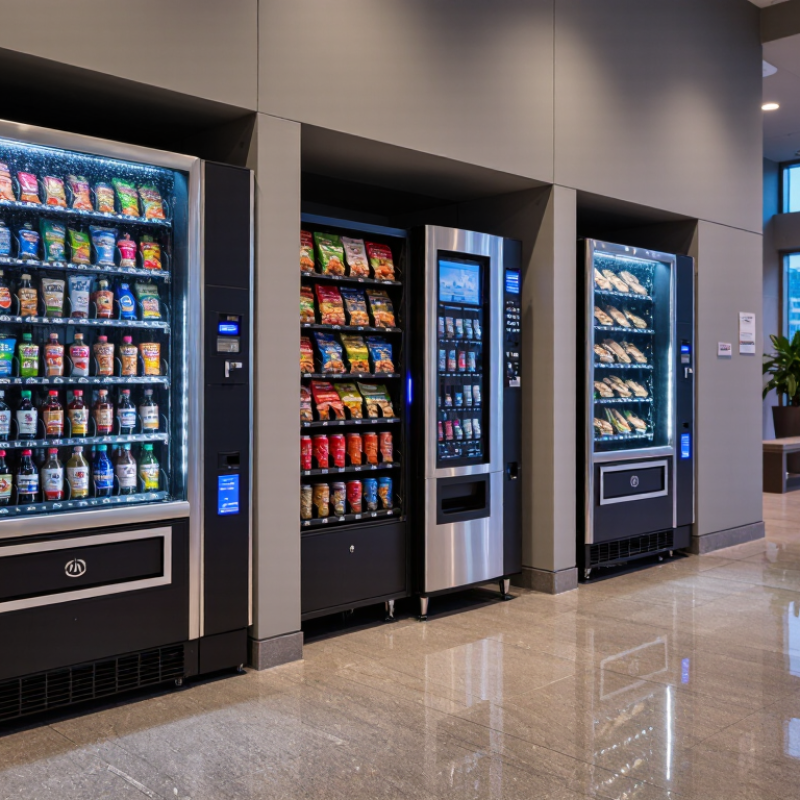
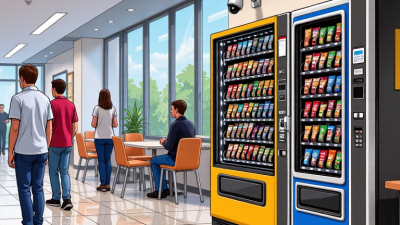
Toronto’s vending machine market is becoming more site-specific in 2026. Office towers need quick breakfasts, hot drinks, and healthier afternoon options. Condominiums often value compact machines with quiet operation. Schools, clinics, and recreation centres require clear nutrition information and dependable sanitation routines.
In practical site assessments, location usually matters more than machine size. A machine near a busy entrance can outperform one hidden beside an elevator. Toronto’s winter weather also affects placement. Indoor access protects equipment from freezing temperatures, snow, and salt. Buyers should check electrical capacity, delivery routes, lighting, and accessibility before purchasing. Cashless payment is expected by many customers, but a backup payment option can reduce lost sales during network problems.
The best machine type depends on the audience and product mix. Refrigerated units suit fresh meals and cold beverages, while spiral machines handle packaged snacks efficiently. Combo machines save floor space, although they may create slower restocking and more complicated repairs. That trade-off is easy to underestimate.
Local buyers should request maintenance response times, warranty terms, energy use, and sales reporting details. They should also confirm property approval and applicable safety requirements. Customer data must be handled carefully and transparently. A large product range sounds attractive, but too many choices can increase waste. I have seen operators overestimate premium products and overlook affordable staples. That mistake deserves reflection. Toronto customers are diverse, and their needs change by neighbourhood, season, and time of day.
| Machine Type | Typical Products | Typical Capacity | Typical Footprint | Temperature Capability | Best Toronto Locations | Primary Buyer Need | Important 2026 Buying Criteria | Operational Considerations |
|---|---|---|---|---|---|---|---|---|
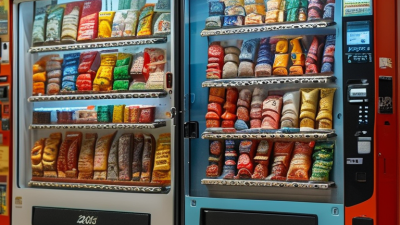
| Snack Vending Machine | Packaged chips, chocolate, candy, cookies, crackers and shelf-stable snacks | Approximately 30–60 product selections, depending on shelf and spiral configuration | Approximately 0.8–1.0 m wide × 0.8–0.9 m deep | Ambient temperature | Office buildings, colleges, apartment lobbies, transit-adjacent sites and recreational facilities | Affordable everyday convenience with relatively simple inventory management | Adjustable spirals, anti-jam delivery, strong glass, cashless payment, remote sales reporting and energy-efficient lighting | Products should be rotated by expiry date. Chocolate and other heat-sensitive products may require a cooler indoor location during warmer months. |
| Cold Beverage Vending Machine | Water, soft drinks, juice, sports drinks and other sealed beverages | Approximately 150–400 containers, depending on bottle and can configuration | Approximately 0.9–1.1 m wide × 0.8–0.9 m deep | Refrigerated; commonly maintained around 2–7°C for chilled beverages | Gyms, hospitals, factories, campuses, sports venues and high-footfall office properties | High-volume sales and reliable access to chilled drinks | Cooling performance, compressor efficiency, delivery reliability, product visibility, contactless payment and vandal-resistant construction | Requires electrical power, regular restocking and enough ventilation around the refrigeration system. Weight and loading access should be checked before installation. |
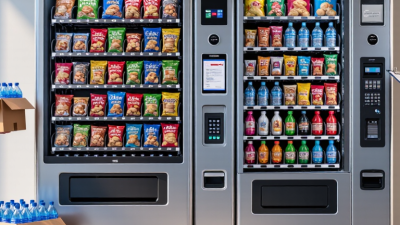
| Combination Snack and Beverage Machine | Packaged snacks plus canned or bottled beverages | Often 30–50 snack selections plus 100–250 beverage units | Approximately 1.0–1.2 m wide × 0.8–0.9 m deep | Usually includes a refrigerated beverage section and ambient snack section | Small offices, residential buildings, hotels, warehouses and locations with limited floor space | One machine serving several basic refreshment needs | Internal layout flexibility, separate temperature zones, payment uptime, remote monitoring and ease of delivery through elevators or narrow entrances | A practical choice when traffic is moderate and floor space is limited. The broader product mix can reduce the need for a second machine. |
| Fresh Food Vending Machine | Prepared sandwiches, salads, wraps, yogurt, fruit cups and other refrigerated ready-to-eat foods | Approximately 20–60 refrigerated selections, depending on package size and shelf layout | Approximately 0.9–1.2 m wide × 0.8–1.0 m deep | Refrigerated; food temperature must be controlled according to applicable food-safety requirements | Hospitals, universities, corporate workplaces, production sites and buildings with limited food-service hours | Access to fresh meals where cafés or cafeterias are unavailable or closed | Temperature monitoring, stock rotation, expiry controls, secure product handling, cleaning access and payment records | Fresh food has a shorter shelf life than packaged snacks. Operators need dependable replenishment, documented food-handling procedures and a plan for unsold products. |
| Healthy Food and Beverage Machine | Water, unsweetened drinks, nuts, granola bars, baked snacks, fruit-based products and lower-sugar options | Approximately 30–80 selections, depending on whether the machine is ambient, refrigerated or combined | Approximately 0.8–1.2 m wide × 0.8–0.9 m deep | Ambient or refrigerated, depending on product mix | Fitness centres, schools, medical facilities, offices and wellness-focused residential properties | Better alignment with wellness policies and changing consumer preferences | Clear nutrition information, refrigerated capacity where necessary, product rotation, low-energy operation and a flexible payment system | Demand can vary significantly by location. A small pilot assortment and sales tracking are recommended before expanding the range. |
| Micro-Market Locker or Smart Refrigerated Unit | Fresh meals, snacks, beverages, grocery-style essentials and prepared food | Often 50–200 individual product positions, depending on lockers, shelves and refrigeration zones | Configuration-dependent; commonly requires more wall or floor space than a standard machine | Ambient, chilled or frozen zones may be available by configuration | Large offices, residential towers, hospitals, campuses and secure workplaces | Broader product choice and unattended retail beyond the capacity of a conventional spiral machine | Access control, camera or inventory technology, remote monitoring, temperature alerts, reliable internet connectivity and secure installation | Usually requires a stronger operating system and more frequent inventory management. The location must support customer access, power and network connectivity. |
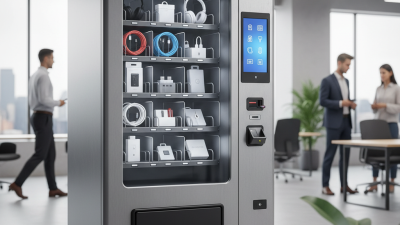
| Personal Protective Equipment and Essentials Machine | Masks, hand sanitizer, personal-care items, first-aid products, chargers and workplace essentials | Approximately 20–50 selections | Approximately 0.7–1.0 m wide × 0.7–0.9 m deep | Ambient temperature | Industrial sites, hospitals, campuses, airports, residential buildings and large workplaces | Immediate access to essential items outside normal retail hours | Product security, accurate dispensing, compact design, cashless payment and clear product labeling | Product selection should reflect the specific building population. Small, high-utility items can produce good space efficiency but may require frequent price and assortment updates. |
| Frozen Food Vending Machine | Frozen meals, ice cream, frozen snacks and other commercially packaged frozen products | Approximately 30–100 selections, depending on package dimensions | Approximately 0.9–1.2 m wide × 0.8–1.0 m deep | Frozen storage; the required operating temperature depends on the product and equipment specification | Student residences, entertainment venues, workplaces, residential buildings and locations with limited late-night food access | Longer product availability and convenient meals or treats outside standard service hours | Freezer performance, temperature alarms, power-failure procedures, defrost management and suitable electrical capacity | Temperature control is critical. Operators should have a documented response plan for outages and equipment faults before selling frozen products. |
| Toronto Buyer Checklist for 2026: Confirm available floor space, electrical service, delivery access, building approval, insurance requirements, payment connectivity, accessibility needs and cleaning responsibilities. For food and beverage machines, verify applicable City of Toronto and Ontario public-health, food-safety, electrical and consumer-protection requirements before installation. A common planning assumption for Canadian retail pricing is 13% HST in Ontario, but tax treatment should be confirmed with a qualified tax professional. | ||||||||
| Best General Fit: A combination snack-and-beverage machine is usually the most versatile starting point for a moderate-traffic Toronto location. A fresh-food, frozen-food or smart refrigerated solution is more suitable when the site has predictable demand, dependable replenishment and stronger temperature-control requirements. | ||||||||